
Sign Language to Text Conversion Using Deep Learning
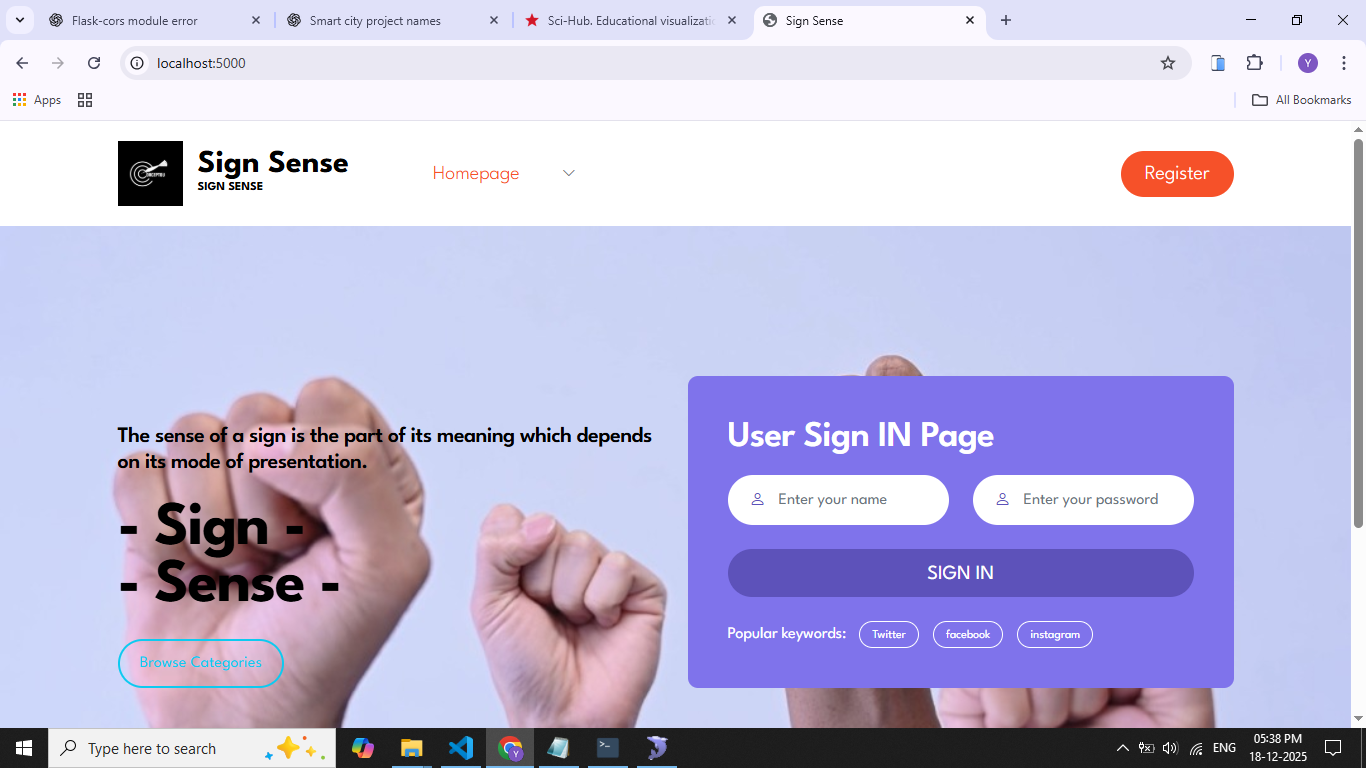
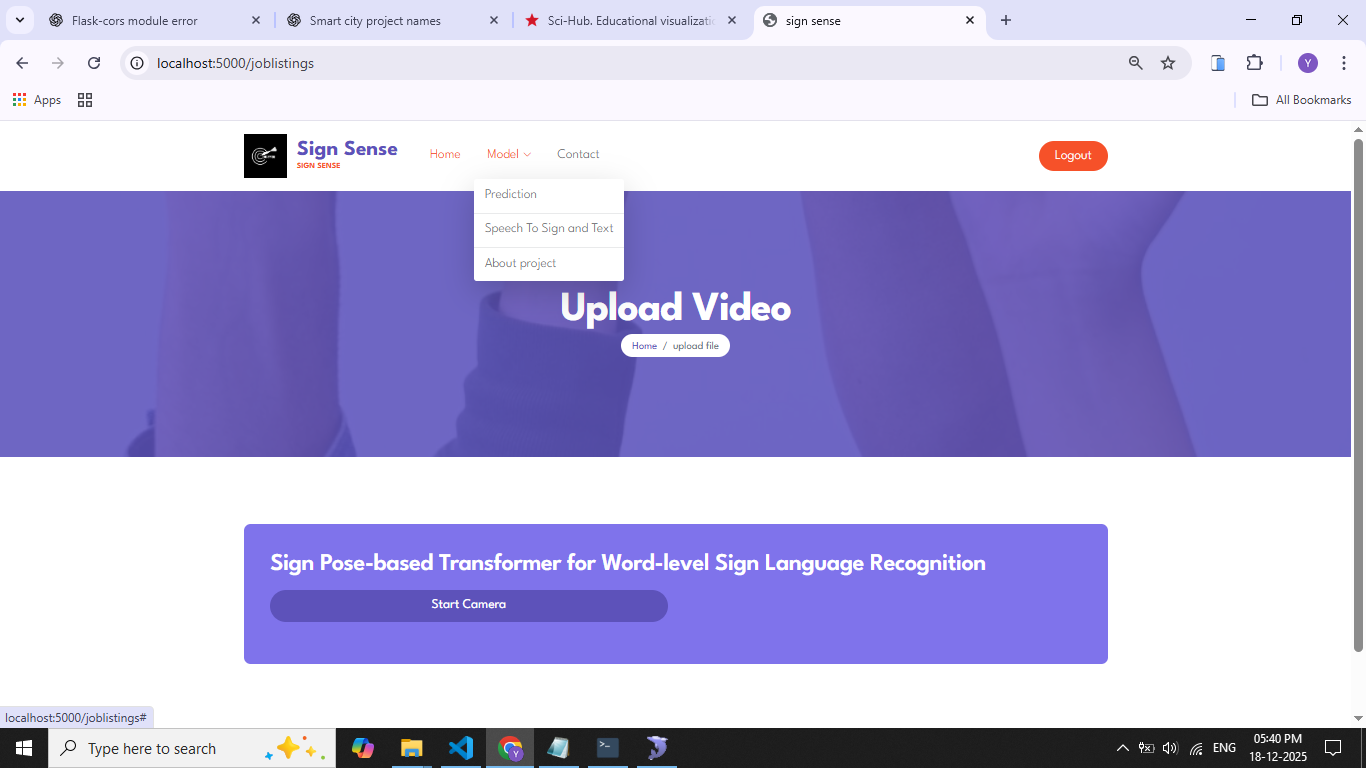
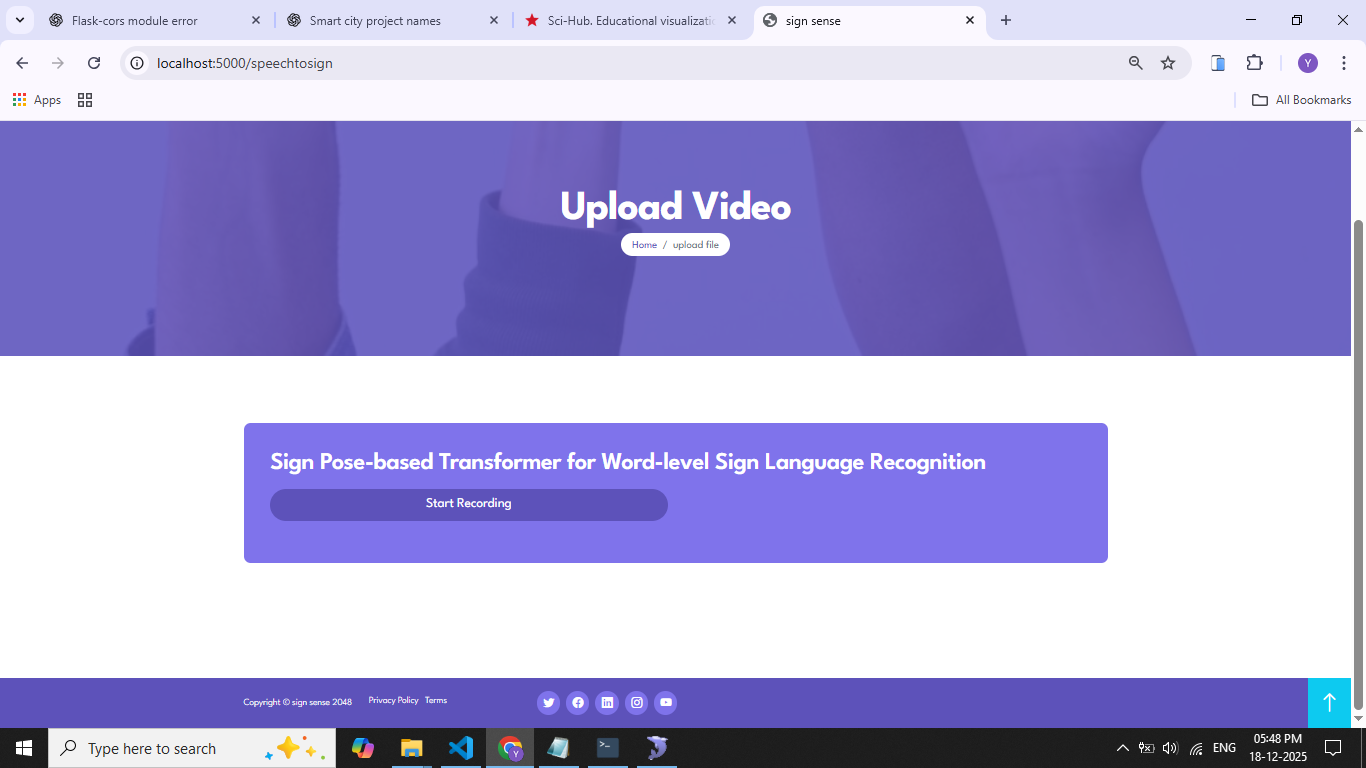
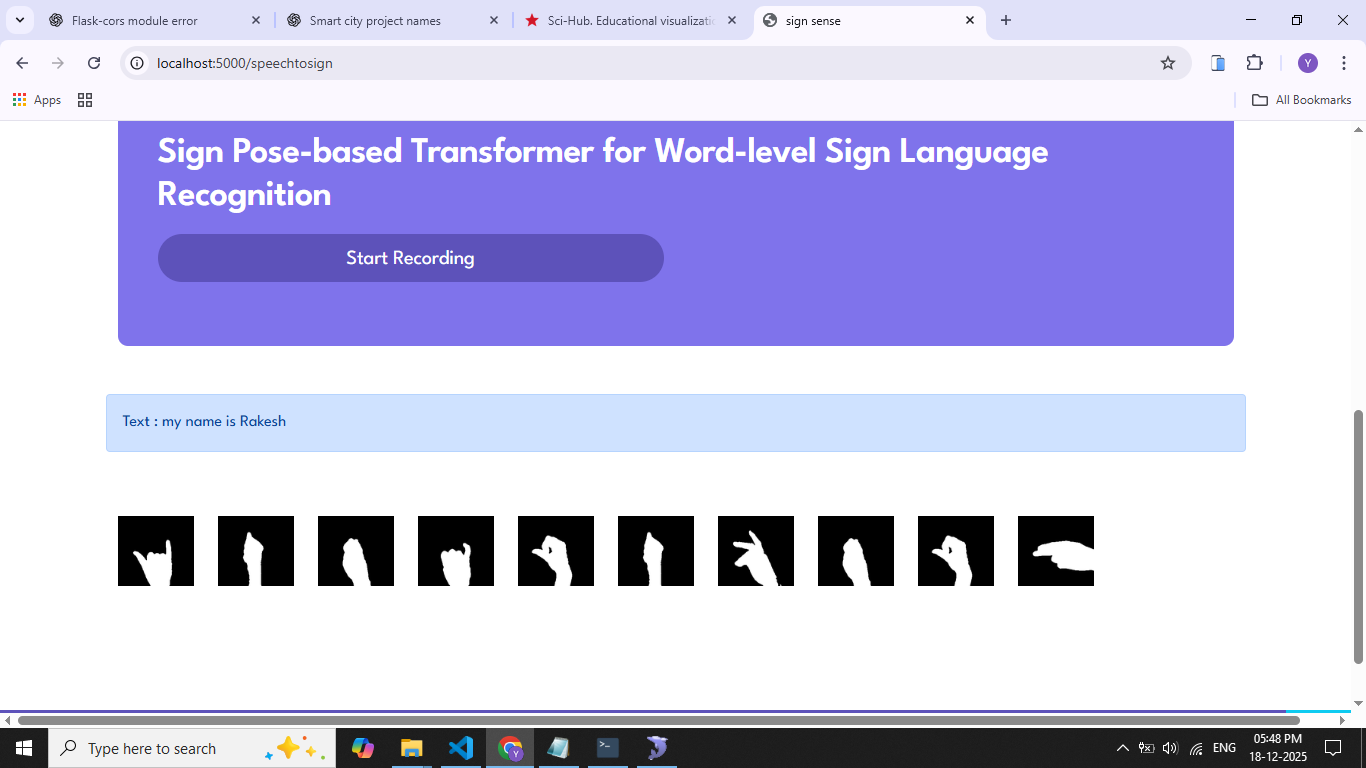
More Screenshots
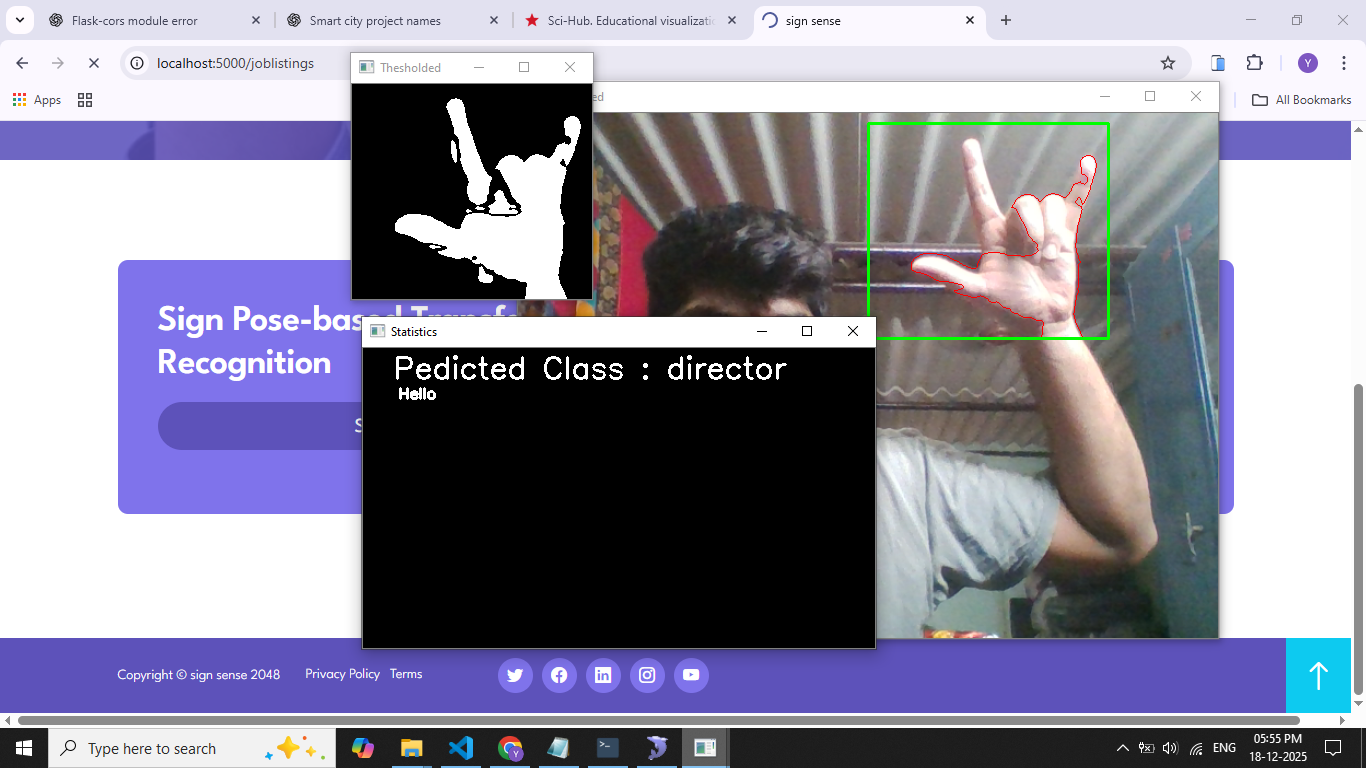
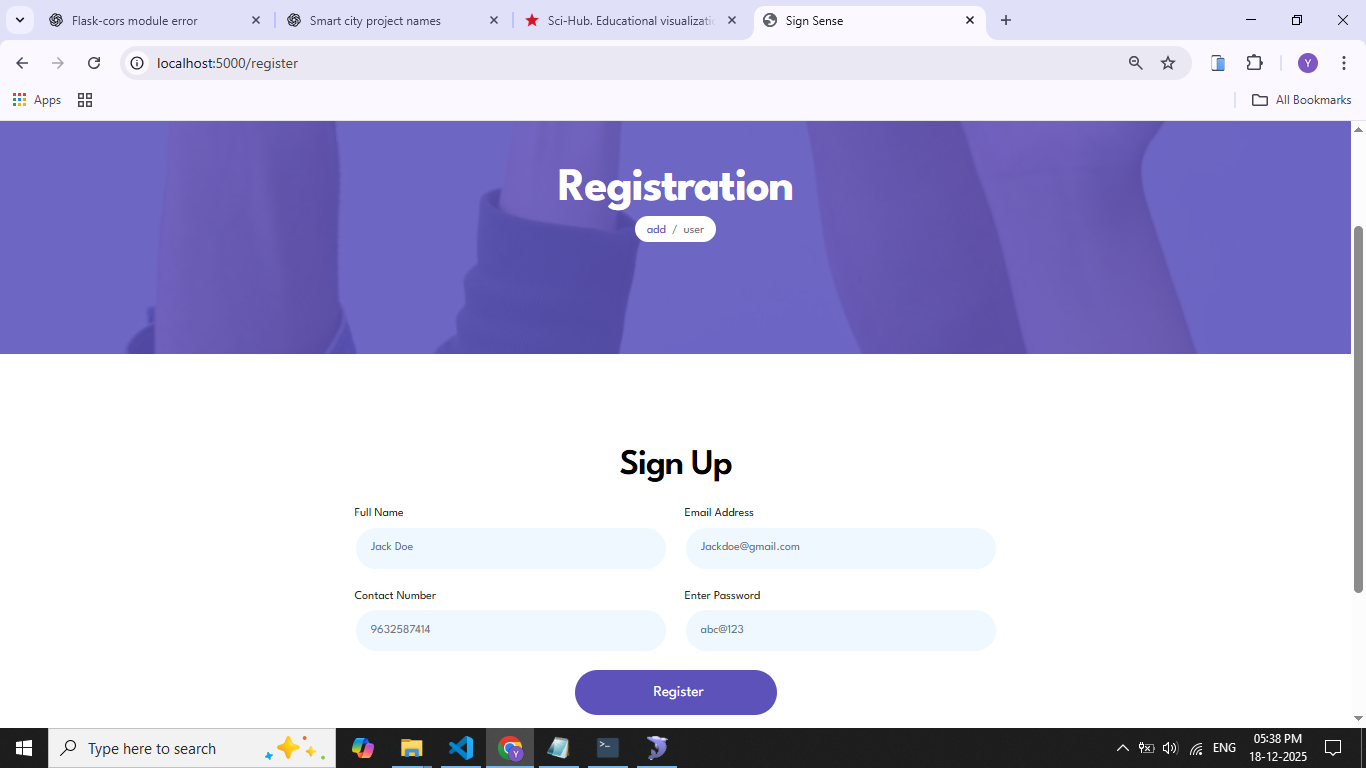
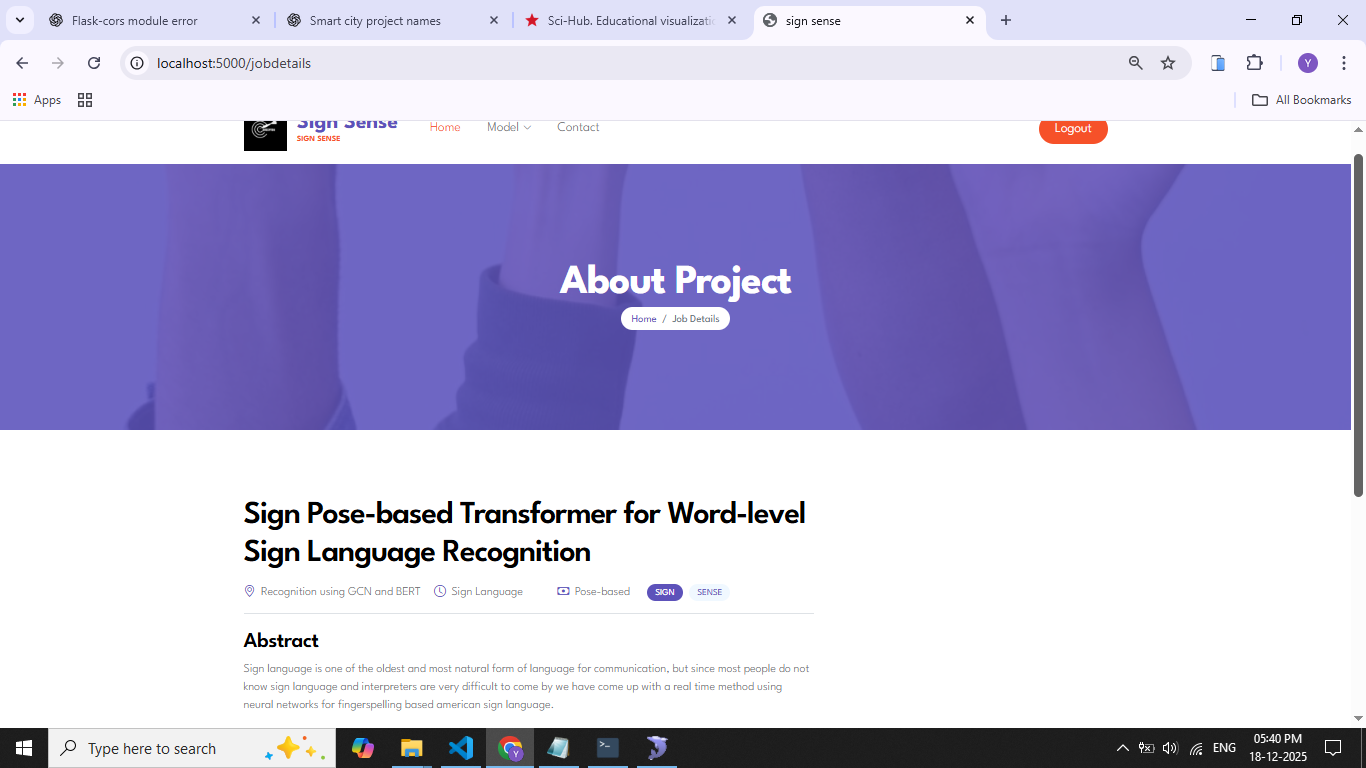
Project Description & Abstract
Sign Language to Text Conversion Using Deep Learning is an intelligent computer vision application designed to convert hand gestures representing sign language into corresponding text characters. The system aims to reduce the communication barrier between people who use sign language and people who do not understand it. The proposed system processes images containing American Sign Language (ASL) hand gestures and uses a Convolutional Neural Network (CNN) to classify the detected signs. The input image is first preprocessed to improve its quality and reduce unwanted noise or background interference. Relevant visual features are then automatically learned by the deep learning model and used to identify the corresponding sign. Once a gesture is classified, the system maps the recognized sign to its corresponding alphabet or character and displays the result as text. This approach can provide a foundation for developing real-time sign language interpretation systems using camera input or live video streams. The system relies on a sufficiently large and diverse dataset to improve recognition performance. Image preprocessing, normalization, data augmentation, and model training techniques can be applied to make the CNN more robust to variations in hand position, lighting, background, and image quality. The project demonstrates how deep learning, image classification, computer vision, and gesture recognition can be combined to build assistive technology that supports more accessible communication. Tags : Sign Language Recognition, Sign Language to Text, Deep Learning, CNN, Convolutional Neural Network, Computer Vision, Gesture Recognition, ASL Recognition, Hand Gesture Recognition, Image Classification, Artificial Intelligence, OpenCV, TensorFlow, Python, Assistive Technology
Core Deliverables
Career & Learning Outcomes
By deploying and presenting this system, students will master:
- Integrating backend frameworks with local and cloud databases.
- Configuring secure JWT cookies/tokens and user credential encryption algorithms.
- Formatting model dependencies using requirements variables.
- Presenting design and code structures confidently to review boards.